Replacement Guide
How to Replace Filter Plate
Step-by-Step Guide · Filter Press Maintenance · OEM-Spec Filter Plates
Tools & Materials Required
Prepare all supplies before disassembly.
How to Replace Filter Plate
Follow each step carefully and observe site safety procedures.
01
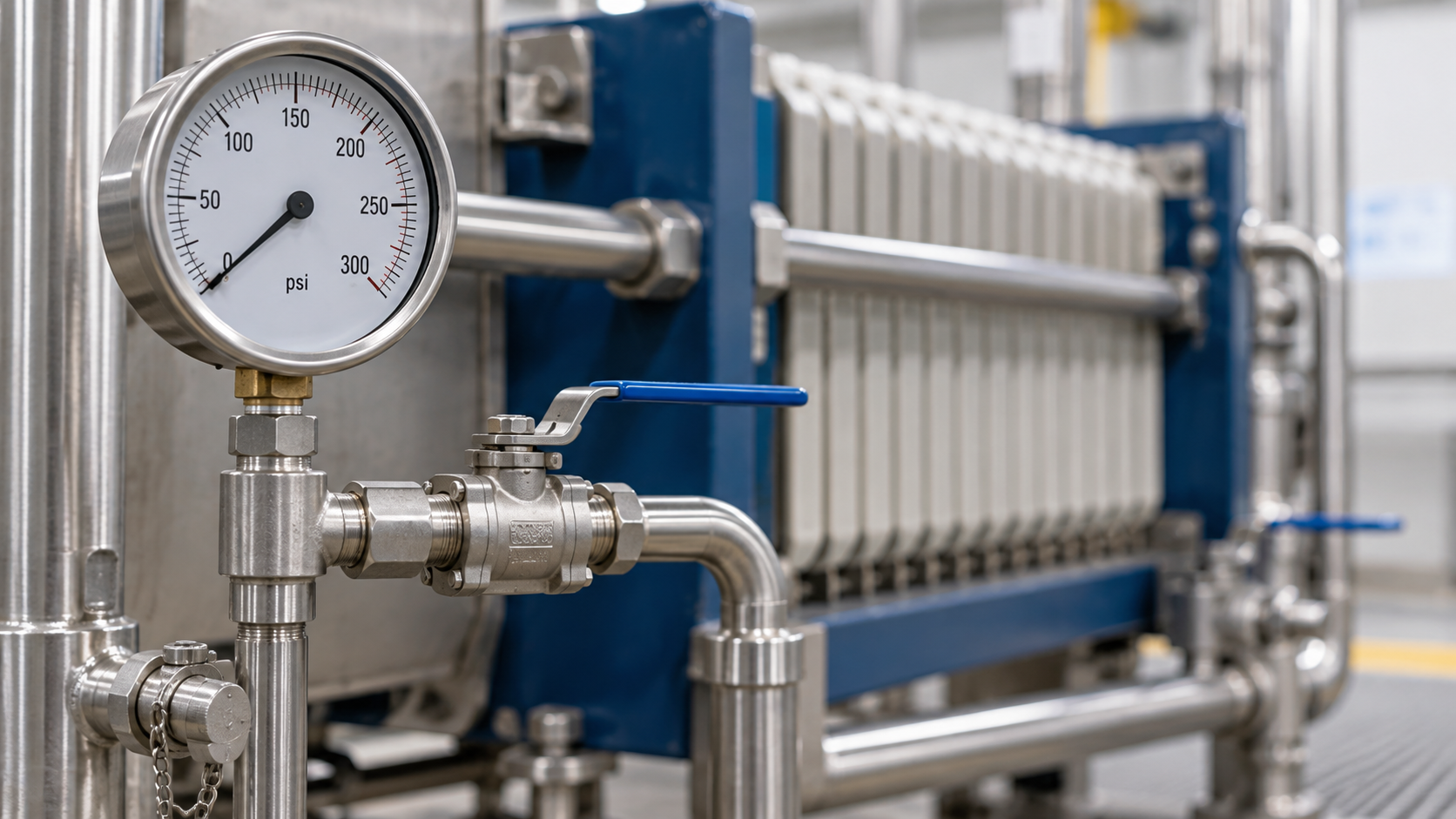
Full Shutdown & Depressurization
Cut power, close feed and drain valves, open pressure relief until the gauge reads zero, and lock out the equipment.
Never touch plates while slurry remains pressurized.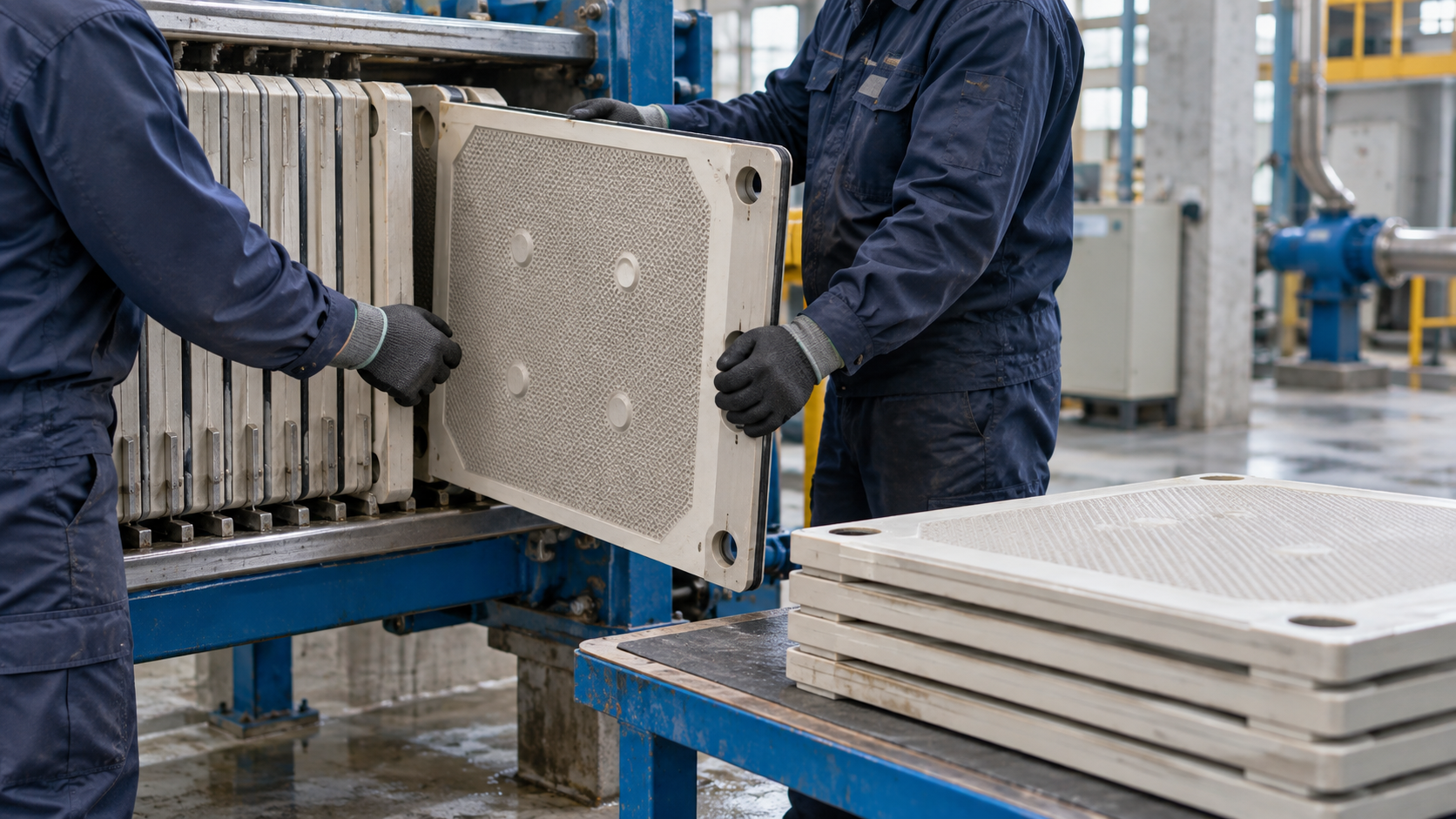
02
Retract Head & Separate Plates
Retract the movable head fully, pull plates evenly by their handles and arrange them on a protected flat surface.
Do not jerk, twist or drag plate sealing edges.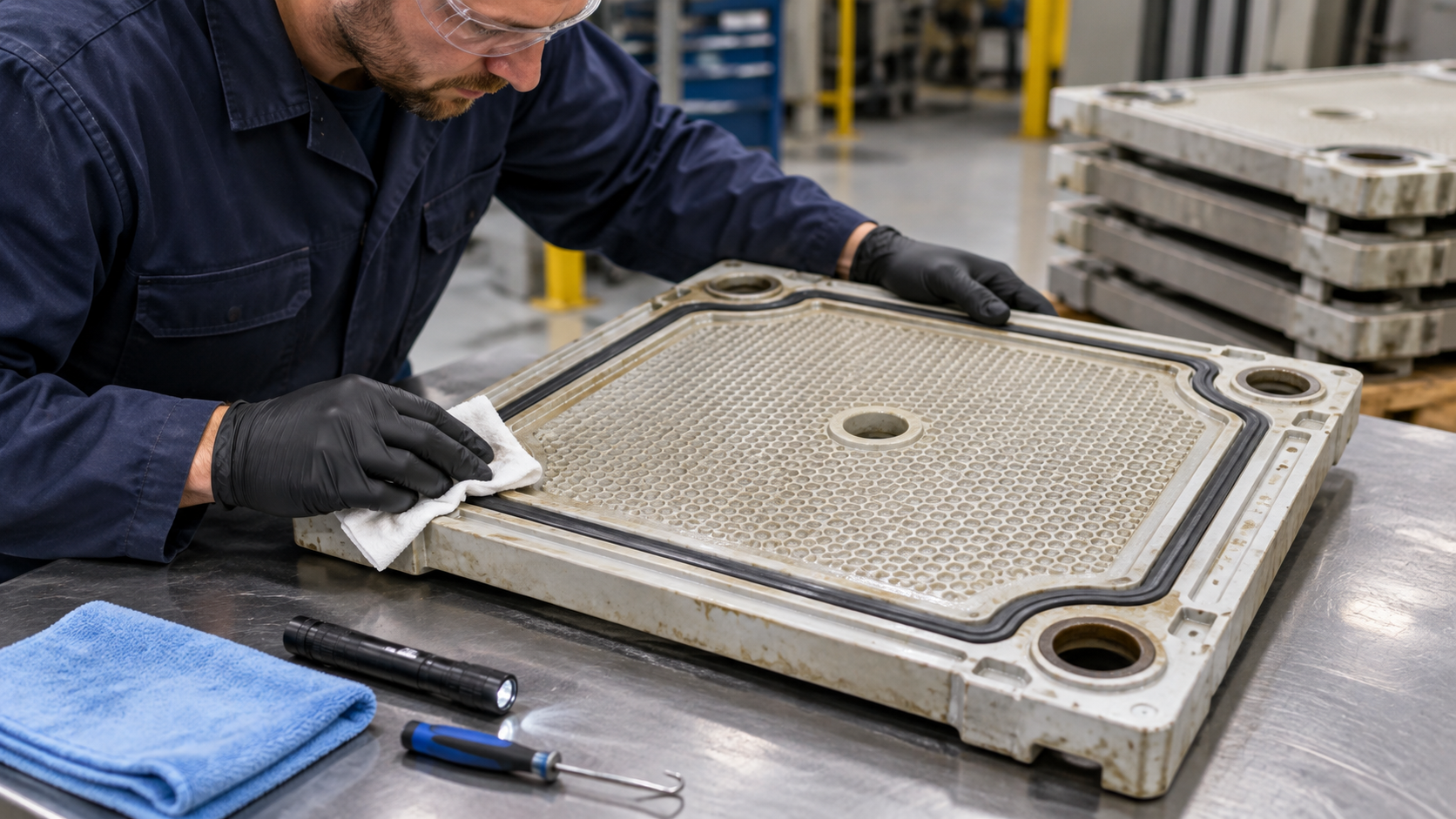
03
Remove Cloth & Inspect Damage
Strip old cloth, clean surfaces, ports and grooves, then inspect for cracks, gouges, warping and corrosion.
Replace damaged plates; polish only minor sealing-edge scratches.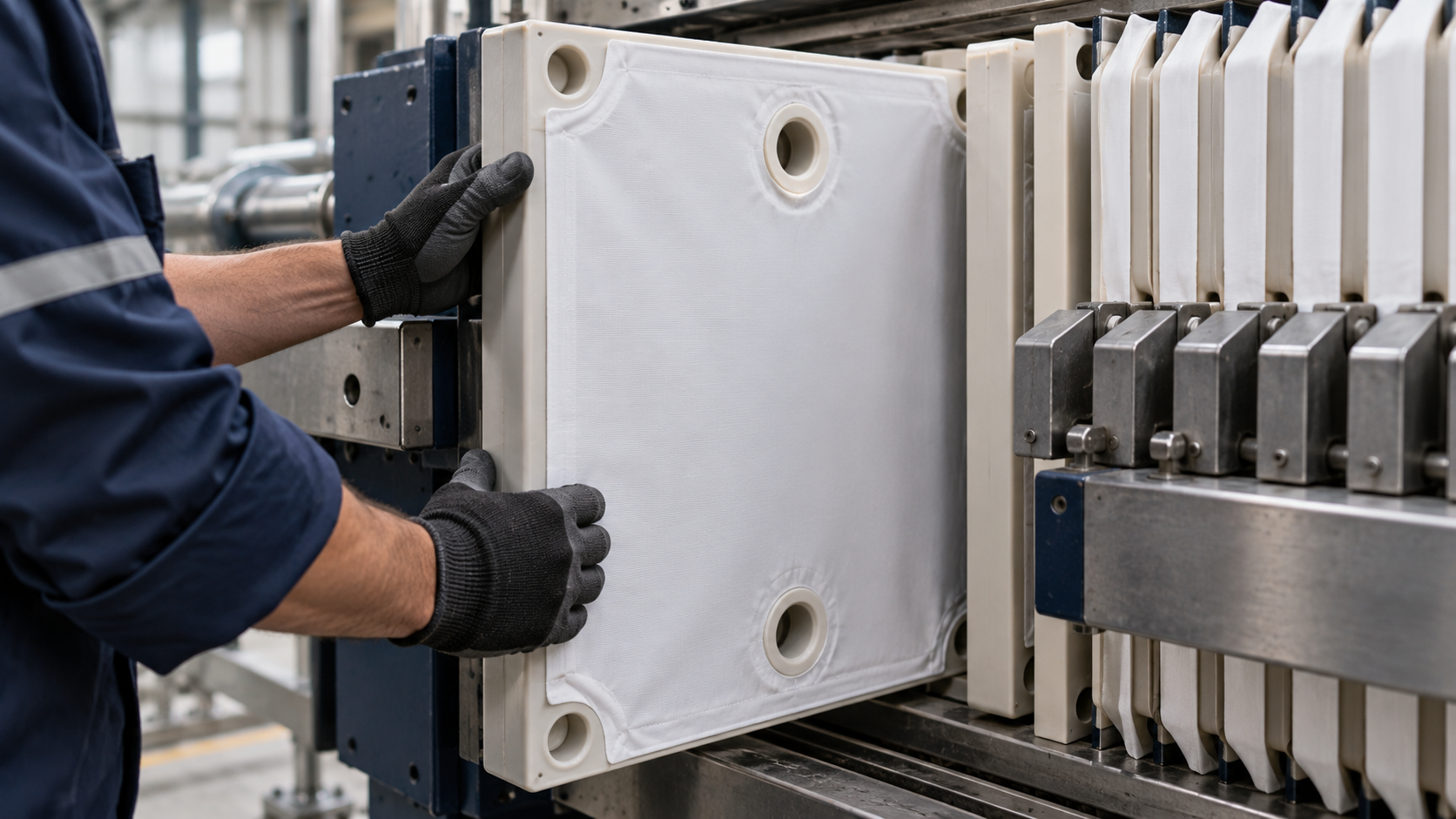
04
Install New Plate & Cloth
Align cloth holes with the fluid ports, tension the cloth without wrinkles and seat the new gasket evenly.
Use only a thin compatible lubricant layer.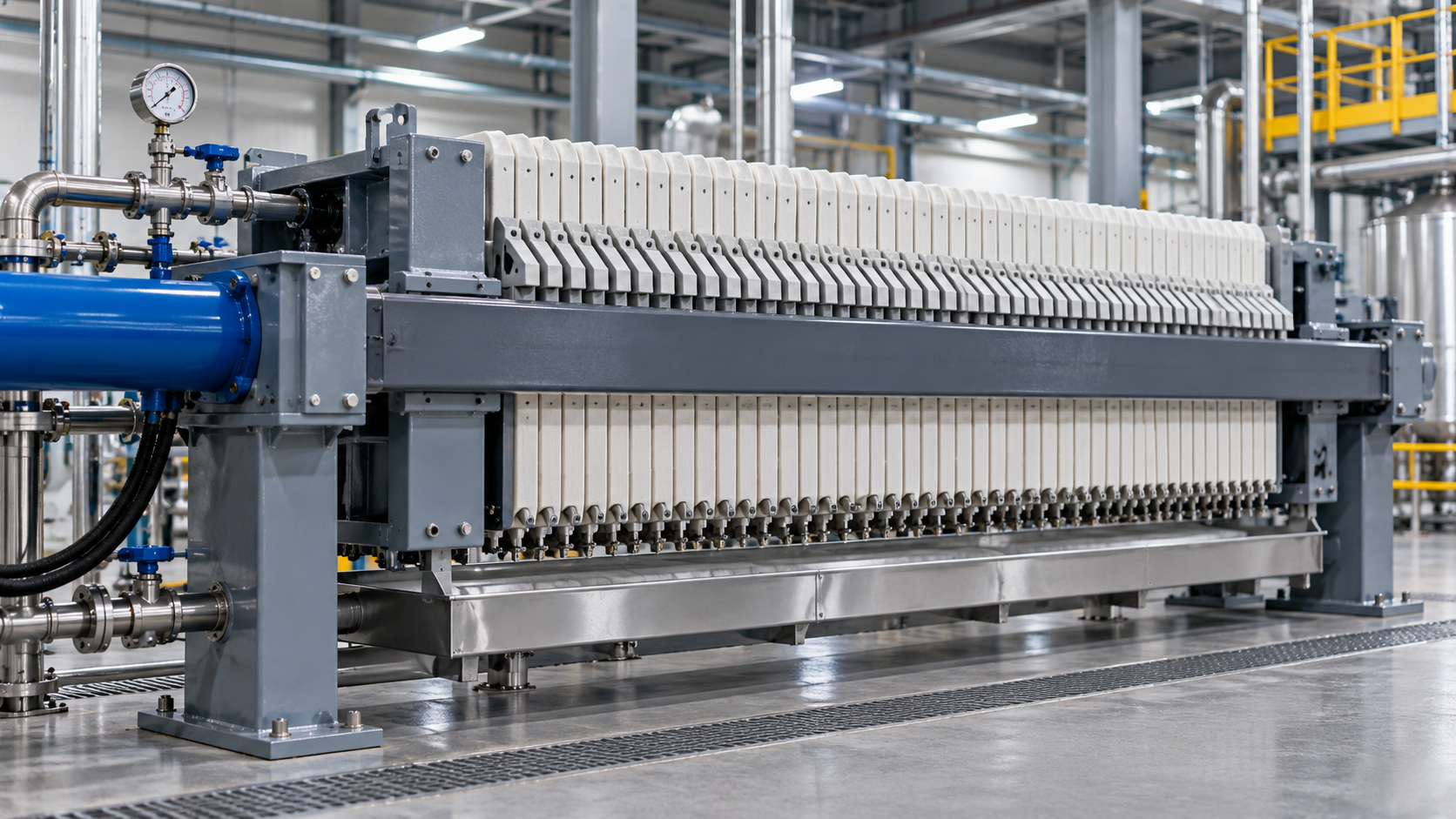
05
Restack, Torque & Test
Restore the original sequence, tighten diagonally to specification and run a 10–15 minute low-pressure water test.
Monitor sealing during the first three full cycles.Safety Requirements
These measures are mandatory throughout the replacement process.
Lock Out Power & Pressure
Disconnect power and lock out the machine during all work.
Wear Full PPE
Use cut-resistant gloves, eye protection and a dust mask.
Handle Plates Safely
Avoid sharp edges and concrete dragging; use lifting equipment for large heavy plates.
Common Mistakes to Avoid
Avoid these errors to prevent leakage, damage and premature failure.
×Uneven Bolt Torque
Warps plates, causes leakage and tears cloth.
×Reusing Damaged Plates or Gaskets
Causes rapid cloth failure and permanent sealing gaps.
×Misaligned Cloth or Metal Prying
Blocks flow and damages sealing surfaces.
Products You May Need
OEM-spec replacement parts for this maintenance task.
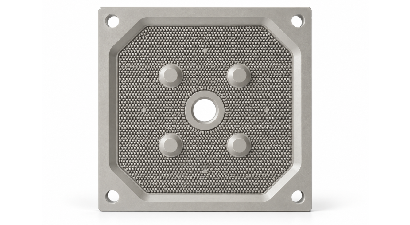
Filter Plate
Polypropylene (PP) Filter Plate
One-piece modified PP plate combining corrosion resistance, toughness and pressure resistance.
View Product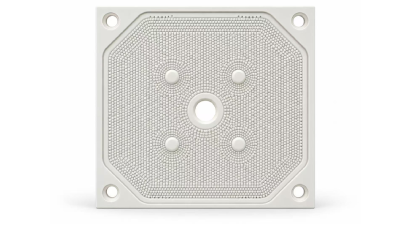
Filter Plate
Polyethylene (PE) Filter Plate
HDPE filter plate with strong wear, impact and corrosion resistance and a low-adhesion surface.
View Product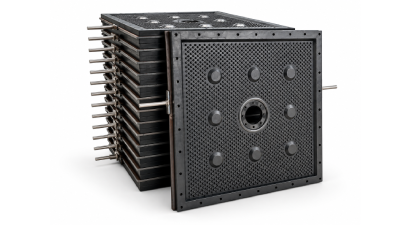
Filter Plate
Rubber Filter Plate
Flexible vulcanized membrane plate for tight sealing, secondary squeezing and lower cake moisture.
View Product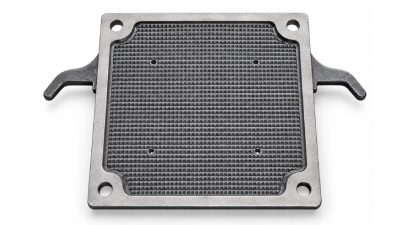
Filter Plate
Cast Iron Filter Plate
Heavy-duty plate offering high rigidity, temperature resistance and pressure resistance.
View ProductReady to Get Started?
Order matched replacement parts or request a technical review from our team.